
A Valuable Partnership
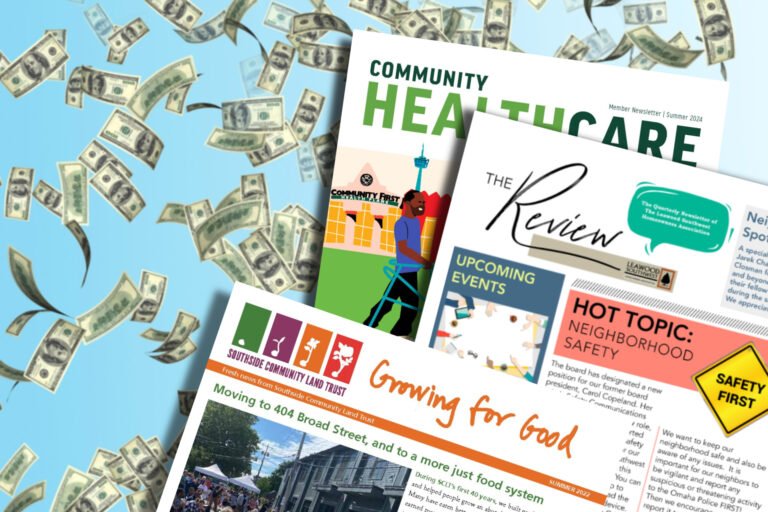
What’s better than free? How about a publisher who does all the work to print and distribute a professional magazine for your organization, then PAYS YOU for the privilege.
“Revenue-share” publishing is one of those rare too-good-to-be-true “turnkey” opportunities that actually delivers. It’s not perfect – and it doesn’t make sense for every organization. But where there’s a concentrated network of businesses that understand the value of local visibility, and have the budget to pay for it, the model can work remarkably well.
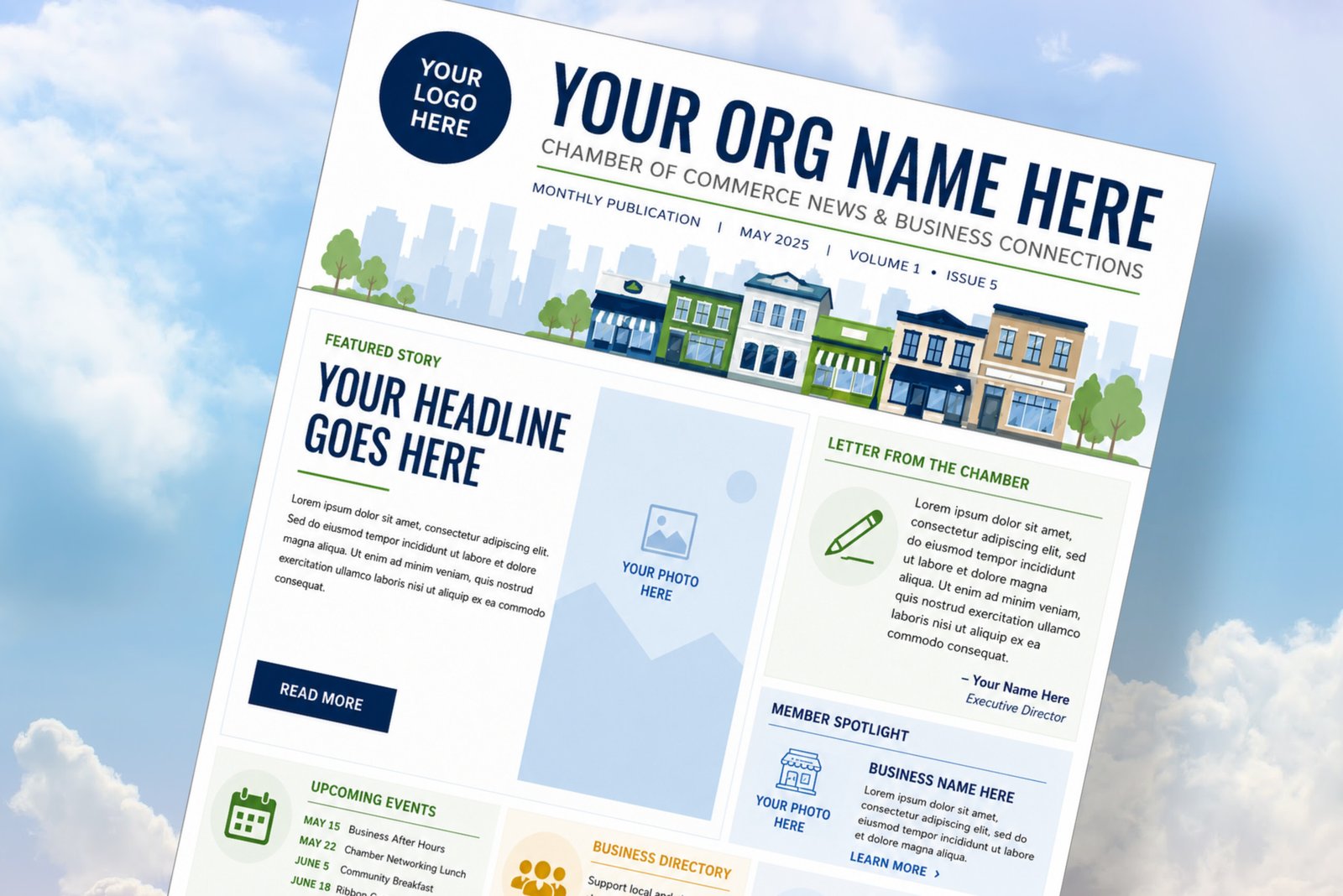
Chambers of commerce are so perfectly suited to this model that a whole cottage publishing industry has grown around them. In these arrangements, the chamber and the publisher are partners. The chamber lends its trusted name and member network to the publisher who uses this information to sell advertising. In return, the chamber receives a polished publication and a percentage of the ad revenue.
It’s like a virtuous circle of local promotion: the chamber lends its credibility, members get visibility, the publication gets funded, and the chamber receives both a professional piece and a nice chunk of change, to boot.
Nobody’s Perfect
A chamber magazine, business directory, visitor guide, or annual member publication can feel like a total no-brainer. In many ways, it is. But there are caveats.
For starters, these services tend to be highly standardized. That’s part of how the model works: publishers focus on ad sales, then keep production costs manageable by building each publication from a familiar framework. The names, colors, and local photos may change, but the finished piece can still feel like it came from the same mold.
Unless you’re using a publisher that actually knows your area, the authenticity may feel off. Audiences are quick to spot copy that sounds generic, careless, or phoned in — especially now, when everyone is tired of wading through AI slop. That’s why it’s worth reviewing the content with a sharp eye toward anything that feels too canned, too vague, or too far removed from the community it’s supposed to represent.
Editorial control is also worth thinking about. In many of these arrangements, the publisher decides what belongs in the publication and how it appears. That may be perfectly fine, until something runs that feels off-brand or out of step with the chamber’s values.
In a climate where people pay close attention to language, representation, sponsorships, and who gets visibility, even a small editorial or advertising choice can create backlash. And when that happens, the chamber is the face of the publication. Its name is on the cover. Its members are in the pages. Its brand takes the heat.
Some Assembly Required
Not that chambers need to micromanage the whole process. But there’s a strong case for being involved early enough to shape the outcome: asking how ads and submitted content are reviewed, building in enough time for proofs and corrections, and clarifying who signs off before anything goes to print.
Better yet, chambers can provide some of their own content. Most chamber publishers welcome participation, and it may be the best way to make sure the finished piece sounds like the organization itself — not just a publication wearing its logo.
Assets are another piece worth considering. If the publishing company produces all the stories, images, captions, and graphics, those materials likely live inside that company’s production system. The chamber gets the finished publication, but not necessarily a flexible library of content it can reuse throughout the year.
That’s a missed opportunity, because the same content that makes a chamber publication feel more local can also work well beyond the printed page. A member profile can become a blog post. A strong photo can support a season’s worth of outreach. Even a president’s letter can become a clearer public-facing message about what the chamber does and why people should pay attention.
Bring It Home
Custom content does not just dress up the publication. It helps the chamber sound like itself. Instead of relying only on templated copy, the organization can show the people, places, and relationships behind the local business community. Done well, those pieces make the publication feel less generic — and better connected to the place it represents.
This is where local freelancers and small creative businesses fit naturally into the same virtuous circle. If the extra ad revenue helps pay for custom stories, artwork, photography, and other web-ready content, the chamber is not just improving the publication. It is building useful communications assets while putting money back into the very economy the publication exists to serve.
A freelance editor can also provide a useful layer of quality control, especially for small offices where a publication can quickly become one more thing on an already full desk. A good outside partner can catch what busy staff may miss, keep the chamber’s voice intact, and help the whole process feel less overwhelming.
For turnkey publishers and their clients, a liaison who understands the process can keep the work moving and help the finished publication feel more like the organization behind it.
A Win for Everyone
With every printing, members are reminded that their chamber is active. Businesses have a chance to update their listings. Sponsors get a fresh visibility opportunity. Neighbors, customers, and local partners learn a little more about the community around them.
A modest reinvestment can help that annual rhythm carry further. Done thoughtfully, a chamber magazine can be more than a timely publication. It can be a revenue generator, a member benefit, a local storytelling platform, and a starting point for stronger outreach.
In a world full of “free” offers with fine print, this one can actually earn its keep.
Freelance to the Rescue

How local creative support smooths the process and improves results
A standard chamber publication makes a great frame. Local creative support can help it feel less like a template and more human, more personal. The right partner(s) can add the texture that turns a useful guide into something readers recognize as their own.
- A second set of eyes.
A local editor or creative agent can help get the publication across the deadline without letting details slip. They can review drafts, proofread, flag anything that feels off, and help the chamber make decisions with more confidence. - Feature-style content.
Even one or two engaging stories can help a guide feel less like a directory and more like a community publication. A short profile of a longtime business, a new entrepreneur, a downtown project, or a local industry can give the publication a stronger sense of place. - Sharper messaging.
Freelancers do not always need to create content from scratch. A good editor can make the text warmer, clearer, and more polished while smoothing out anything that feels generic, stiff, or obviously AI-assisted. - Innovation and staying power.
Event photos can become a slideshow. A clip from a Zoom interview can become a short Reel. A Main Street feature can tag the businesses involved on social media. Local creatives think beyond the page for grassroots opportunities that help strong content travel further. - Local art and photography.
Original images of storefronts, owners, workers, events, streetscapes, and gathering places can make a publication feel rooted. Creative support can also help clean up low-resolution photos, restore historic images, or make existing visuals more print-ready. - Community context.
Neighborhood overviews, short history sidebars, visitor tips, “how to use this guide” copy, or plain-language explainers can help readers understand where they are, what they’re looking at, and how the chamber’s work connects to everyday life. - Experienced go-between.
A freelancer who speaks “publishing” can help translate the chamber’s needs, preferences, and concerns into language the publisher can use. That extra layer of communication can prevent costly mistakes, reduce back-and-forth, and keep small issues from becoming deadline problems. - Companion pieces.
A chamber magazine can also lead to smaller supplemental pieces: a seasonal shopping guide, a restaurant/wellness/real estate insert, a bilingual community mailer, or a short newsletter to hand out at events and meetings. The main publication does not have to carry every message by itself.
Indeed, that’s the sauce: not replacing the turnkey model, but using the creative talent in your own backyard to make the process smoother and the finished publication stronger.
👋 Thanks for stopping by—glad you found us.
This blog is powered by East Falls Media, where we help small businesses, nonprofits, and local governments communicate with clarity and purpose.