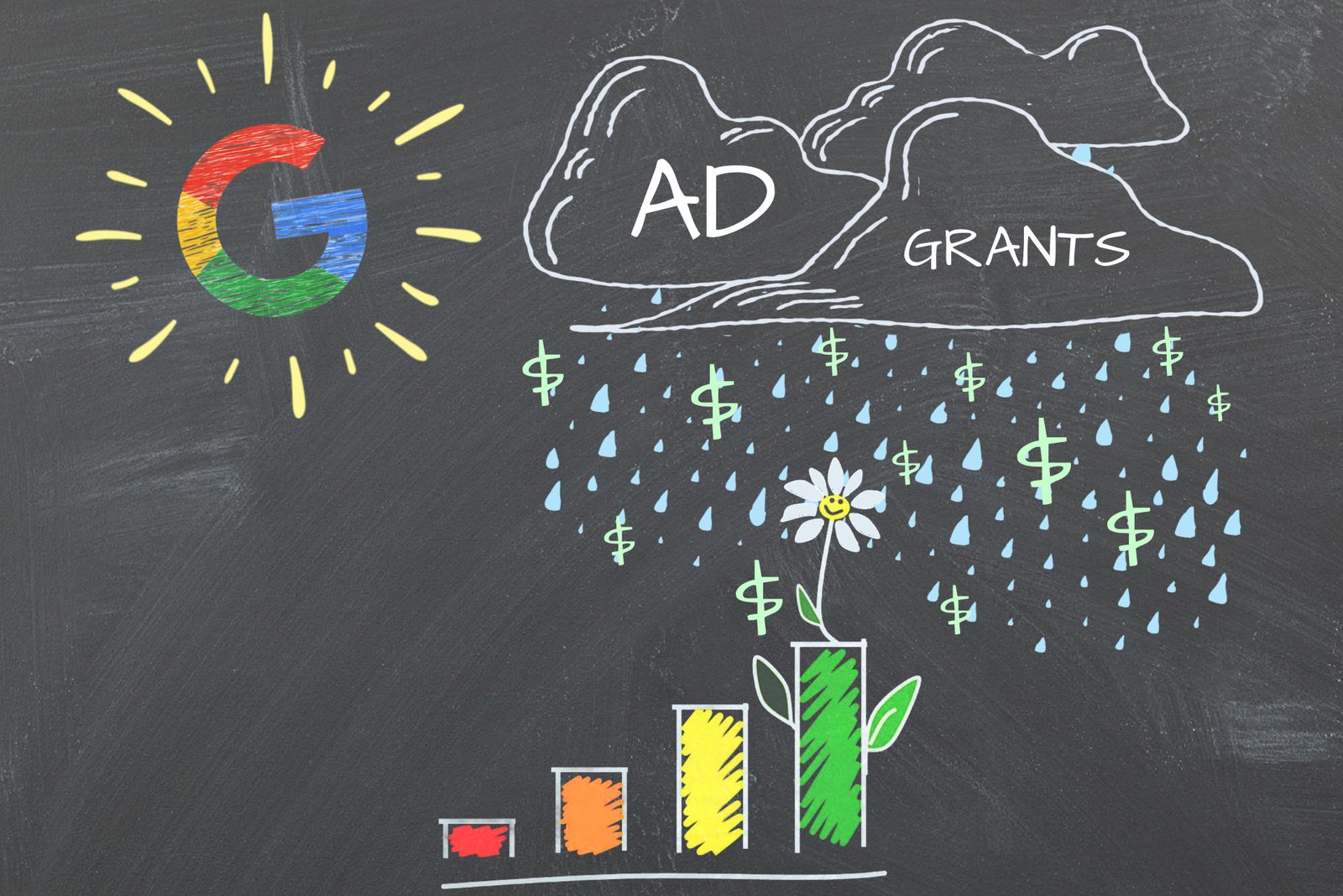

Every month, Google sets aside $10,000 in free search advertising for eligible nonprofits. That’s $120,000 a year to share your story, promote your programs, and connect with the people who care most about your work.
There’s a catch, though. Those ads only make a difference if they’re set up strategically and maintained to meet Google’s performance benchmarks. You didn’t think they’d give away that kind of money just because, did you? Google wants your metrics — strong click-through rates, relevant keywords, consistent engagement. In return for the grant, they get something just as valuable: data.
Google collects priceless user info and market insights through the program. Every campaign adds to its understanding of what people search for and how they respond. To keep your account active, you have to prove your ads are working. If your campaigns stall or underperform, Google will quietly limit your reach or even suspend the grant until things improve.
Good news: with focused structure and consistent attention, that free funding can fuel growth, visibility, and measurable impact all year long.
You’ve Got the Mission — Now Claim the Megaphone 📣
You already know your work matters. The challenge is making sure new people can find it. Google Ad Grants are designed to help you reach audiences searching for what you already offer: the family looking for housing help, the student seeking mentorship, the volunteer eager to give back; the neighbor who wants to participate in community matters and events.
Used well, those clicks can become connections that strengthen your programs and expand your reach far beyond word of mouth or social media.

Anyone can run ads. It’s harder to know what they’re doing for you.
Behind every successful Ad Grant campaign is a small ecosystem of tools quietly doing their jobs. Google Analytics tracks who’s visiting your site and what they do once they get there. Search Console shows which keywords are actually bringing them in. Conversion tracking connects those dots to real outcomes — donations, form submissions, sign-ups, and sales. Taken together, they turn your ads from guesswork into insight.
Setting them up isn’t rocket science, but it does take some know-how and regular check-ins to keep everything aligned. A little expertise makes a big difference. The tools are simple enough, but making sense of all that data takes time and practice.
People are busy! It’s tempting to treat Google Ad Grants as a “set it and forget it” program. But it doesn’t work that way. Campaigns that don’t tie results to real outcomes (donations, sign-ups, engagement) lose momentum fast, and eventually fall out of compliance with Google’s rules.
When your ads are monitored and adjusted regularly, they become a living feedback loop, showing what messages resonate and where your energy pays off. That kind of learning compounds over time, turning “free ads” into an ongoing engine for growth.
Think of Google’s grant as a spotlight you can move wherever it’s needed most: a fundraiser, a seasonal campaign, a success story that deserves to be seen.

Every click is a chance to tell the public what your organization stands for and how to get involved. With thoughtful planning and a bit of monthly care, your ads become more than marketing — they become mission amplification.
What $10,000 in Google Ads Can Do
In one month, a single well-run campaign can:
- Reach 25,000 – 50,000 people searching for your cause.
- Drive hundreds of new visitors to your website.
- Promote a fundraiser, class, or community event to people already looking for it.
- Boost sign-ups for volunteers or newsletter subscribers.
- Help your stories rank higher on search — so new supporters can easily find them.
When your ads reflect your mission, those clicks become community impact — every impression a ripple of awareness spreading further than before.
📈 Big Returns, Smart Strategy
Yes, the grant itself is free, but it’s not automatic. Google’s rules, keyword policies, and performance thresholds change often. A modest monthly investment — whether in staff time or outside management — ensures your account stays active, compliant, and effective.
It’s a tiny fraction of what you’d spend on paid advertising, yet it can unlock tens of thousands of dollars in exposure every year. That’s a return any board member can celebrate.

At its best, marketing isn’t about selling anything — it’s about connecting people to purpose.
That’s what makes Google’s Ad Grant so powerful. It gives nonprofits a chance to tell their stories at scale, not by outspending big brands, but by showing up when someone searches for help, hope, or belonging.
That moment of discovery, when someone types a need into Google and finds you, is what the Ad Grant is really about. It’s not magic. It’s mission meeting opportunity in exactly the right place and time.
💡Worth Remembering
You already have the passion and the story. Google provides the platform. A little help connecting the two can turn free ad credits into real-world change. The Ad Grant isn’t just a marketing perk. It’s a tool for mission growth — one that every nonprofit deserves to use to its fullest.
Ready to see what your Ad Grant can do?
Start by reviewing one campaign, one story, or one goal you’d like to amplify. Some structure and attention can go a long way — and if you’d like a second pair of eyes or a fresh strategy perspective, our ad grant specialist Charity is always happy to connect.